
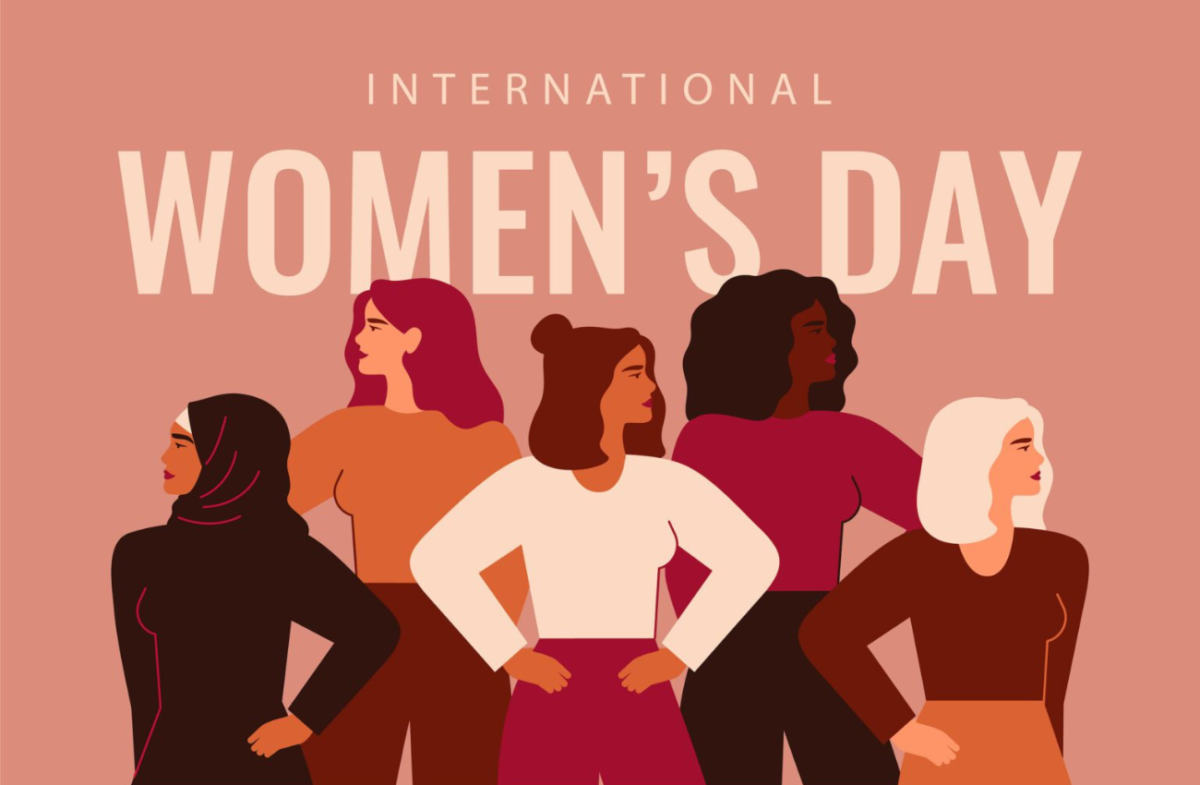
It’s 8th March, therefore making it International Women’s Day #IWD2026.
I wrote back in 2018 about the importance of the day, marking the achievements of women globally and how there is still much work to be done. I felt optimistic, equality hadn’t been achieved, but it felt like we were going in the right direction.
Sadly, come 2026, eight years on, women and girls have never been closer to equality, and never closer to losing it. The need for International Women’s Day has never been more important.
Right now, women have only 64% of the legal rights that men hold worldwide.
Apple has removed International Women’s Day from their calendar, the US in 2022 overturned the landmark 1973 Roe VS Wade ruling, ending 50 years of abortion rights, amongst huge sweeping removal of healthcare for women and trans women, a huge setback in human rights.
With the rise of Andrew Tate and the “manosphere”, it’s recently been revealed in a global study conducted by Ipsos in the UK and the Global Institute for Women’s Leadership at King’s Business School, that Gen Z are the highest generation to believe that a wife should obey her husband (33% of those asked) and 33% believed men should have the final say on big decisions – hugely more so than Baby boomers (13% and 17% respectively). Nearly a quarter of Gen Z men, believe that a woman should not appear too independent or self-sufficient compared to 12% of Boomer men, according to the study. However the most daunting statistic appears to be that more than half of Gen Z men believe that men are expected to do too much to ensure equality for women, compared to 45% of Boomer-aged men.
No to mention, the searches for “International Men’s Day” (November 19th) always somehow occur in March (coincidence, I think not).
But it’s not all negative, there have been some great strides of rebellion still.
Gisèle Pelicot, the French woman who made waves and became a feminist icon in 2024, when she waived her right to anonymity as the victim in the Pelicot rape case. Her landmark case made her a symbol of resistance to sexual violence by refusing to feel shame for the horrific abuse she suffered. As such her bravery and global response has helped to shift shame from the victims to the perpetrators “shame must change sides”.
Gen Z women are more independent than ever, demanding more from their relationships, seeking emotional maturity, equality and respect. Independent femininity emphasises self-expression, agency and freedom to choose a lifestyle. It will not tolerate male abuse, violence or harassment. Independent femininity does not accept subordination to men, nor to traditional masculinity and the values which come with it. The likes of Sabrina Carpenter, Taylor Swift, Ariana Grande, and Lady Gaga are simply highly visible examples of the phenomenon of independent femininity.
Greta Gerwig’s Barbie, a satirical, feminist-driven movie which explores the contradictions of modern womanhood, critiques patriarchy, and challenges traditional gender roles, was the largest grossing global Box Office release of 2023, and the 14th largest grossing film of all time. It was a hugely important introduction to feminism for the wider audience and being cemented into popular discourse.